
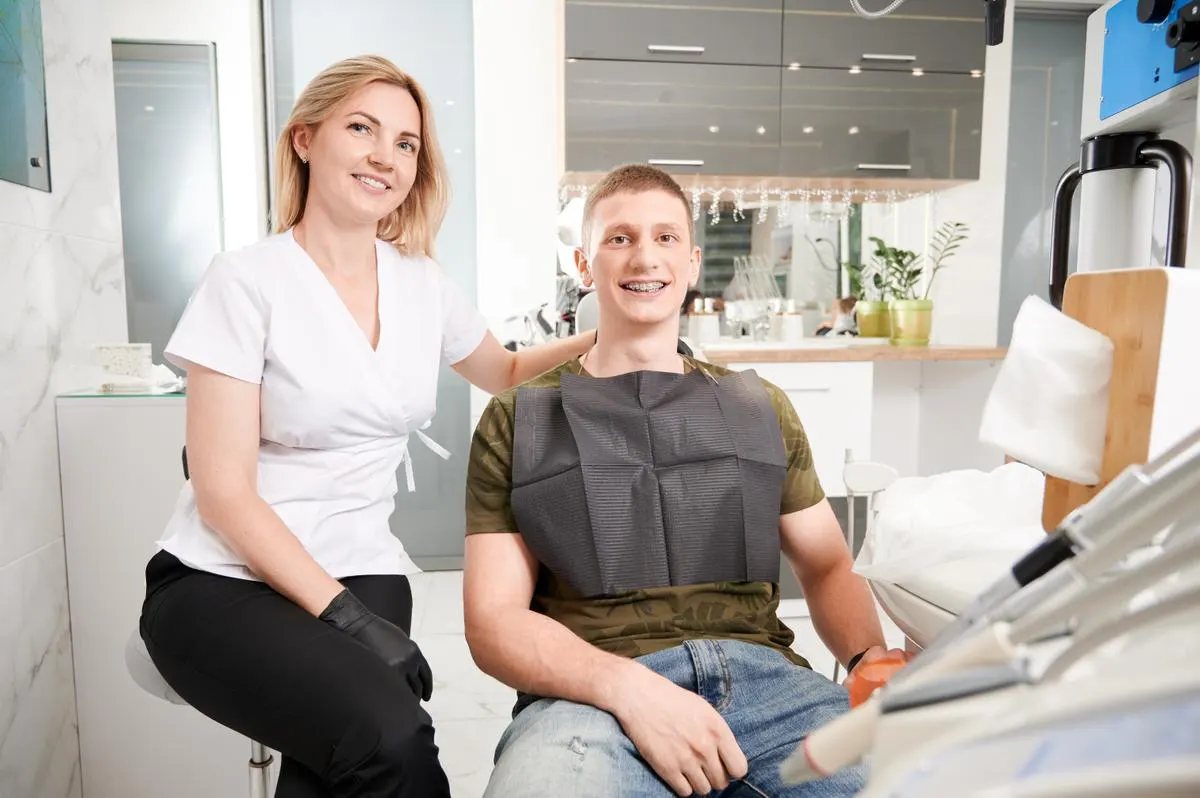
Clínica DentPlus (real case — data altered under NDA) is a dental clinic in Leiria, with 4 dentists, 2 dental hygienists and 3 administrative staff. The clinic had a base of 3,200 registered patients, built over 12 years of operation. However, only 35% of those patients returned for six-monthly check-up appointments — the financial backbone of any dental clinic. The remaining 65% only appeared when they were in pain. This case shows how an automated recall system, combined with digital loyalty, increased check-up appointments by 45% and transformed the clinic's financial predictability.
The Problem: A Dormant Patient Base
In dentistry, check-up and oral hygiene appointments are fundamental — both for the patient's health and for the clinic's sustainability. A patient who has six-monthly check-ups is less likely to need complex and expensive treatments. And for the clinic, check-ups are appointments with high margins and high predictability.
At DentPlus, the problem was clear: of the 3,200 registered patients, only 1,120 (35%) maintained regular appointments. The remaining 2,080 were "dormant" — they had data in the database but had no appointment scheduled. Many had not visited the clinic for more than 2 years.
The recall process — contacting patients to remind them it was time for a check-up — was manual and inconsistent. The receptionist, when she had time (which was rare), consulted a list of patients without a scheduled appointment and called them. She managed 15 to 20 calls per day, with an answer rate of approximately 40% and a conversion rate (call resulting in a booking) of 25%.
Let us do the maths: 20 calls × 40% answer rate × 25% conversion = 2 appointments scheduled per day of calling. To contact the 2,080 dormant patients, the receptionist would need 104 days dedicated exclusively to calls — inconceivable alongside her other responsibilities.
The clinic also had no loyalty programme. There was no incentive for the patient to maintain regularity — no loyalty discount, no referral benefit, no mechanism to turn a one-off patient into a regular one.
The Numbers Before the Intervention
• Registered patients: 3,200.
• Check-up return rate: 35%.
• Dormant patients (no visit for 12+ months): 2,080.
• Check-up appointments/month: ~95.
• Manual recall (calls/day): 15–20 (when done).
• Manual recall conversion rate: 10% (of total calls).
• Monthly revenue from check-ups/hygiene: ~€6,650.
• Patient referrals (new first appointments via recommendation): ~8/month.
The Solution: Automated Recall + Digital Loyalty + Patient Portal
Component 1: Multi-channel Automated Recall System
We created a system that, based on the date of each patient's last appointment, automatically triggered a communication sequence to remind them of the need for a check-up.
5 months after the last check-up: personalised email with the patient's name and their dentist's name, reminding them that the ideal date for the next check-up was approaching. It included a direct link for online booking.
6 months (ideal date): SMS with a short, direct message: "Hello [Name], it's time for your six-monthly dental check-up. Book easily here: [link]." Simultaneously, a WhatsApp message with additional information about the benefits of regular check-ups.
7 months (1 month past the ideal date): second reminder by email and SMS, with a slightly more urgent tone: "It's been 1 month since the ideal date for your check-up. Our regular patients are 60% less likely to need emergency treatments."
9 months: final message with a special reactivation offer — 15% discount on the check-up for patients who booked within the following 15 days.
For patients dormant for more than 18 months, we created a special reactivation campaign with a careful tone and an offer of a full check-up at a reduced price. This campaign, sent to 1,400 dormant patients in the first month, reactivated 210 patients — a rate of 15%, extraordinary for patients who had not visited the clinic for over a year and a half.
Component 2: Digital Loyalty Card
The second component was a digital loyalty programme that incentivised regularity and referrals. The system operated with cumulative points:
• Six-monthly check-up appointment: 50 points.
• Oral hygiene: 30 points.
• Referral of a new patient (who actually books and attends): 100 points.
• Google review: 20 points.
Points could be redeemed for benefits: 200 points = free oral hygiene; 400 points = teeth whitening at 50% discount; 600 points = free family check-up (2 check-up appointments).
The card was entirely digital — the patient accessed their points balance via the portal or through an automatic notification after each appointment. There were no physical cards to lose and no stamps to forge.
Do your patients only come when they are in pain?
We implement automated recall systems and digital loyalty for dental clinics. More check-up appointments, fewer emergencies, more predictable revenue.
See loyalty solutions →Component 3: Patient Portal
The patient portal centralised the entire digital experience. Through the portal, the patient could: view their consultation and treatment history; check their loyalty points balance; book, reschedule or cancel appointments; access documents (quotes, treatment plans, invoices); and share their referral link to earn extra points.
The portal also included educational content — short articles on oral hygiene, brushing technique videos and prevention tips. This content was not decorative: it served a strategic purpose of keeping the clinic present in the patient's mind between appointments.
Portal notifications were personalised: if the patient had an ongoing treatment (for example, orthodontics or implants), they received specific reminders for follow-up appointments. If they were a member of the loyalty programme, they received updates when they were close to reaching a new benefit.
The Effect on Referrals
A result that exceeded all expectations was the increase in referrals. With the loyalty programme explicitly rewarding referrals with 100 points, patients began actively recommending the clinic. The portal included a "Recommend" button that generated a unique sharing link — when a new patient booked through that link, the points were automatically credited to the referring patient.
Monthly referrals rose from 8 to 22 — nearly tripling. Each new first appointment via referral had an acquisition cost close to zero (compared with €45 to €80 per patient acquired via Google Ads), and these patients had a retention rate significantly above average.
The Results: Before vs. After
After 6 months:
• Check-up return rate: from 35% to 51% (+45%).
• Check-up appointments/month: from 95 to 138 (+45%).
• Reactivated patients (dormant for 12+ months): 340.
• Monthly revenue from check-ups/hygiene: from €6,650 to €9,660 (+45%).
• Patient referrals/month: from 8 to 22 (+175%).
• Hours on recall calls: from 6–8/week to less than 1 hour.
• Patients in the loyalty programme: 890 (28% of the base).
• Online bookings: 38% of total.
Lessons for Dental Clinics
1. The patient base is the most valuable asset. DentPlus had 3,200 registered patients, but only 35% were active. Reactivating existing patients is infinitely more efficient than acquiring new ones — the patient already knows the clinic, already trusts the professionals.
2. Manual recall is unviable at scale. A receptionist cannot individually contact thousands of patients. Automation does not replace the personal relationship — it enables it to exist at a scale that would be impossible manually.
3. Loyalty needs to be visible. A vague discount promised verbally does not motivate. A digital points balance, with clear rewards and visible progress, creates concrete motivation to return.
4. Referrals happen when they are facilitated. Satisfied patients will recommend — but only if it is easy to do so. A sharing link with a reward removes all friction from the process.
5. Predictability is freedom. A clinic with 138 predictable check-ups per month has a solid financial base upon which it can plan — hires, equipment investment, expansion. A clinic dependent on emergencies lives in uncertainty.
Conclusion
DentPlus did not change its doctors, did not lower prices and did not run aggressive advertising. It implemented three systems — automated recall, digital loyalty and a patient portal — that transformed a dormant database into a predictable revenue engine. The total investment was under €4,000, with additional monthly returns exceeding €3,000 — payback in the first month.
If your dental clinic has hundreds or thousands of registered patients who do not return, the growth potential is literally inside your own database. You just need a systematic and automatic way to remind them it is time to come back.